


What factors have the greatest impact on ROI (Return on Investment) in a process cooling or HVAC/R cooling system?
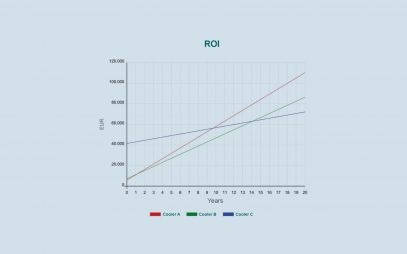
The calculation of ROI in a cooling system is a percentage indicator that shows how much economic value is generated compared to the capital invested.
For process cooling systems, net gain comes from energy and water savings, reduced maintenance costs, and improved production efficiency. In addition, some systems provide indirect benefits such as higher operational reliability, fewer machine stoppages, and access to energy-efficiency incentives.
The initial cost includes not only the purchase and installation of the equipment but also personnel training and integration with existing infrastructure.
ROI analysis is closely linked to the calculation of the Life Cycle Cost (LCC), which quantifies the total cost of ownership over the long term.
Today, the use of cooling system selection and configuration software makes it possible to accurately estimate operating costs, simulate climate scenarios, and compare different technologies (mechanical, adiabatic, evaporative, or dry cooling), providing a reliable forecast of the return on investment.
Related products
-
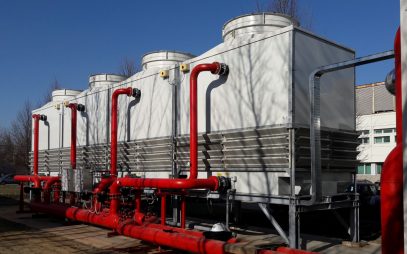 for medium to large systems
PME-E Open-Circuit Evaporative Cooling Tower
A light and non-corrodible open-circuit evaporative cooling tower: process industry and HVAC operators will be able to count on its multiple versions and ease of transport and installation.
-
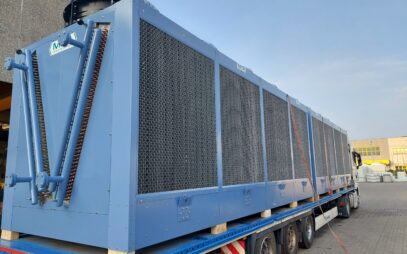 for medium and large plants
PAD-XL W Adiabatic Cooler
Ideal for those who want to use very little cooling water while eliminating its management, or as an alternative to the classic dry cooler, especially with performance in the hottest times of the year in mind.
-
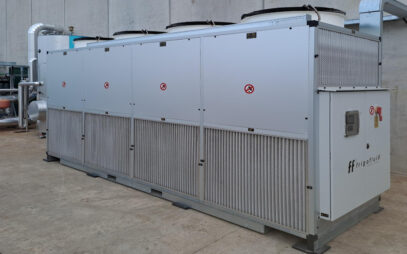 energy saving and performance optimization
RW / EFC ax Chiller with Free-Cooling
The RW / EFC ax chiller combines energy efficiency and sustainability for industrial refrigeration with integrated free-cooling technology. The combination of operating modes, between free-cooling and compressor operation, allows up to 80 percent energy savings compared to conventional versions.
Newsletter
Subscribe to MITA newsletter and stay updated on technical solutions for industrial and civil cooling and get to know our offer.