


È possibile ottenere la massima efficienza energetica attraverso una serie di accorgimenti: ad esempio, dimensionando un sistema di raffreddamento in base alle esatte necessità di raffreddamento, o poco sovra-dimensionato.
Read all FaqEnergy Saving in Cooling Systems
How to cut its use in a few stepsWe can select the right cooling system for your sake thanks to advanced energy use analysis software: this is a response to plant managers and engineering firms, who are increasingly focused to green and "bill-cutting" solutions.
Energy Savings in Cooling Systems: Frequently Asked Questions and Expert Answers
Choosing the best industrial cooling system depends on several factors. Among them: the required cooling capacity.
Read all FaqVariable-speed fans, controlled by inverters, adjust the airflow according to the thermal load.
Read all FaqEvaporative and adiabatic cooling both take advantage of air to lower the temperature of a process fluid (water, water and glycol, gas).
Read all FaqBoth systems use water, but in different amounts, in different ways, and with different levels of efficiency. The direct evaporative
Read all FaqThe structure and components of the two systems are, of course, a consequence of the two different operating principles.
Read all FaqChoosing the system best suited to your needs depends on several factors, mainly related to the specifics of the individual plant project to be developed: an exchange of information with a cooling consultant is often helpful.
Read all FaqThe calculation of ROI in a cooling system is a percentage indicator that shows how much economic value is generated compared to the capital invested.
Read all FaqThe Life Cycle Cost (LCC) is a calculation method used to evaluate the total cost of a cooling system over
Read all FaqThis is not something to worry about: the cooling consultant knows the right questions to ask for the selection of the best cooler, supported also by advanced software for calculation, selection, and resource optimization.
Read all FaqYes, there are calculation and sizing software: some manufacturers and cooling consultants use them in recent years to make a selection that is as tailored as possible to the needs of the individual project.
Read all FaqSelection software makes it possible to simulate thermal loads, climatic conditions, and design variables in order to determine the optimal configuration of cooling towers, dry coolers, or chillers. They provide comparative analyses of capacity, energy consumption, noise levels, and operating costs. The goal is to ensure the right balance between performance, energy efficiency, and operating expenses.
Read all FaqDuring the design phase, the use of selection and configuration software makes it possible to compare different solutions—chillers, cooling towers, adiabatic coolers, or dry coolers—by simulating their seasonal performance and heat loads. These digital tools also estimate energy and water consumption and help optimize system sizing.
Read all FaqEnergy saving in production plants
Optimising resource saving without losing cooling efficiency has become a key issue for plant managers and the engineering firms that support them.
Some production facilities, in particular, can be very energy-hungry, so the cooling system must help to “cut” the bill, as well as helping the company to go green.
Tell Us Your Needs
Software for analysing the energy use of cooling systems
As in other circumstances, relying on efficiency analysis software is the trump card: MITA Efficiency compares different cooling systems from the MITA range. It is a practical support tool, offering a comparative energy use analysis based on the weather conditions in the installation area.
Under certain basic conditions, adiabatic systems can guarantee the balance between resource use savings and performance: however, it is always better to verify the individual design conditions by comparing several solutions: evaporative, adiabatic, dry and mechanical.
Advantages
- Energy-saving with optimised performance.
- Selecting the most suitable cooler saves you money.
- Production costs
MITA Cooling Solutions
-
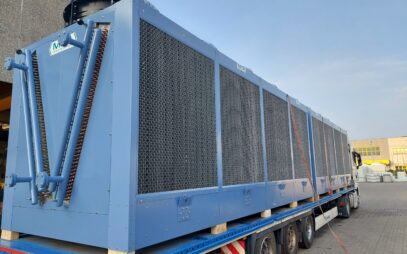 for medium and large plants
PAD-XL W Adiabatic Cooler
Ideal for those who want to use very little cooling water while eliminating its management, or as an alternative to the classic dry cooler, especially with performance in the hottest times of the year in mind.
-
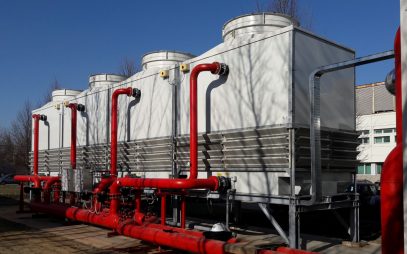 for medium to large systems
PME-E Open-Circuit Evaporative Cooling Tower
A light and non-corrodible open-circuit evaporative cooling tower: process industry and HVAC operators will be able to count on its multiple versions and ease of transport and installation.
-
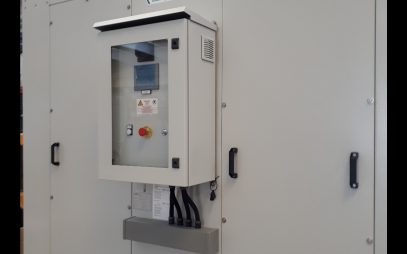 inverter system to modulate the speed of fans in cooling towers
MITA Control System
MITA Control System allows programming and modulating cooler’s performances during its operations in a very simple way. Electricity use optimization is granted.
Do you wish to see more?
Newsletter
Subscribe to MITA newsletter and stay updated on technical solutions for industrial and civil cooling and get to know our offer.