


Free cooling uses outside air to cool the process fluid without relying on the refrigeration compressor.
Read all FaqOverview of Cooling Technologies
Do you know the different technologies and their benefits?Here you will find the advantages and technical characteristics of each type of cooler: evaporative, adiabatic, dry, hybrid, mechanical. An overview of cooling technologies.
A Comparison of Cooling Technologies: Frequently Asked Questions and Expert Answers
Evaporative and adiabatic cooling both take advantage of air to lower the temperature of a process fluid (water, water and glycol, gas).
Read all FaqBoth systems use water, but in different amounts, in different ways, and with different levels of efficiency. The direct evaporative
Read all FaqThe structure and components of the two systems are, of course, a consequence of the two different operating principles.
Read all FaqModern evaporative coolers use automatic blowdown systems controlled by conductivity sensors, partial recovery of discharge water, and optimized make-up strategies. Adiabatic systems, on the other hand—with the proper use of sensors and PLC-based parameter settings—use water only during periods of maximum thermal load, reducing overall consumption compared to traditional cooling towers (though with some loss of efficiency). The adoption of recovery circuits also allows part of the water to be reused in any cooling system that relies on this resource.
Read all FaqIn an evaporative system, approximately 2% of the mass to be cooled evaporates and is released back into the environment.
Read all FaqChoosing the system best suited to your needs depends on several factors, mainly related to the specifics of the individual plant project to be developed: an exchange of information with a cooling consultant is often helpful.
Read all FaqSubcooling is the reduction of the temperature of the refrigerant leaving the condenser.
Read all FaqSubcooling results in an increase in the cooling capacity of the system, hence electrical savings and a higher COP (coefficient of performance).
Read all FaqDry Cooling or Air Cooling
Use ease, zero water consumption, the ideal solution for medium-high process fluid temperatures.
Learn More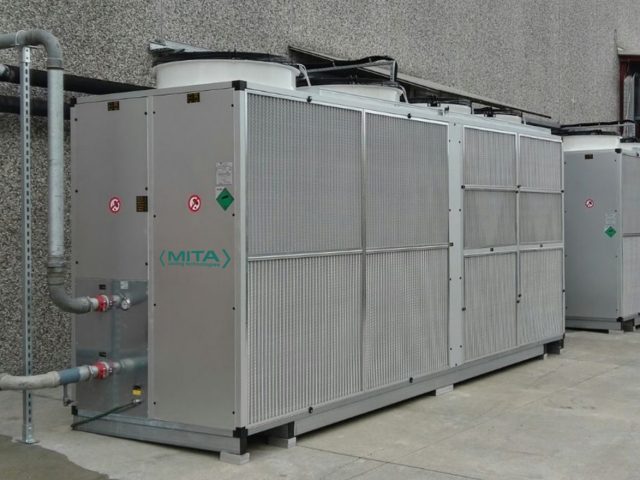
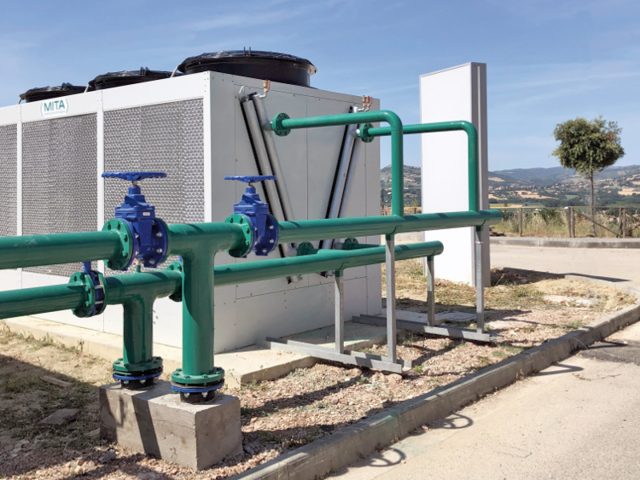
Adiabatic Cooling Systems
Extraordinary water and energy savings, optimized performance: adiabatic coolers and condensers are increasingly appreciated by engineers and production managers who seek the right balance between the advantages of the dry and evaporative systems.
Learn MoreEvaporative Cooling Systems
Do you want performance and efficiency for your industrial cooling system? Then the cooling towers and evaporative condensers ensure both in an extraordinarily simple way. Innovative technical measures reduce water consumption and noise levels.
Learn More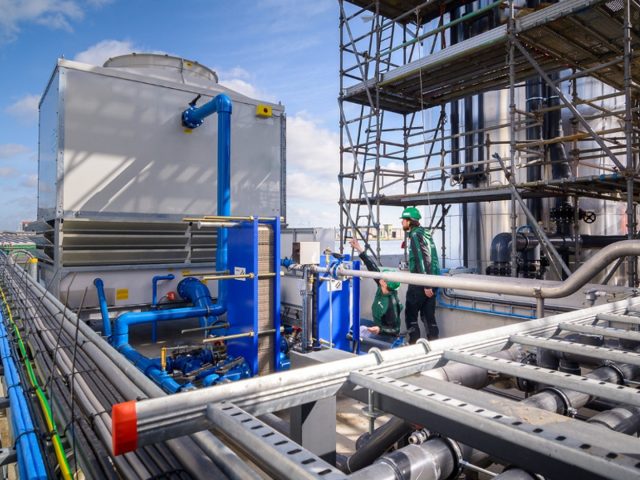
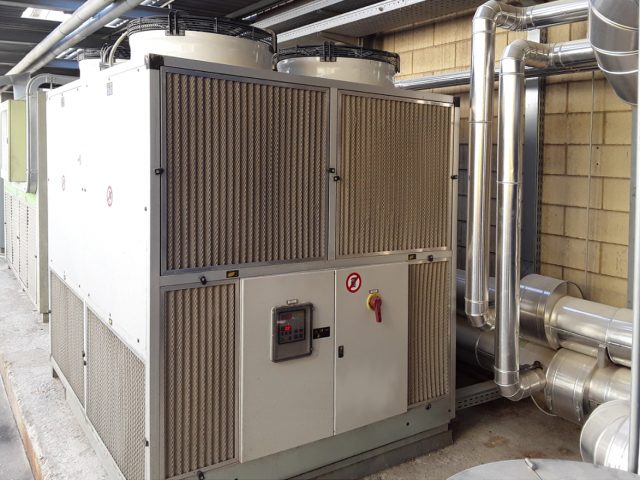
Chillers for Industrial Processes
Fluid temperature far below ambient temperature: when this is necessary, mechanical cooling allowed by a chiller for industrial processes must be used.
Learn MoreOverview of cooling technologies at a glance
Do you wish to have free advice?
Contact Us NowMITA Cooling Solutions
-
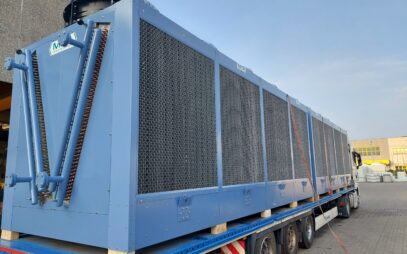 for medium and large plants
PAD-XL W Adiabatic Cooler
Ideal for those who want to use very little cooling water while eliminating its management, or as an alternative to the classic dry cooler, especially with performance in the hottest times of the year in mind.
-
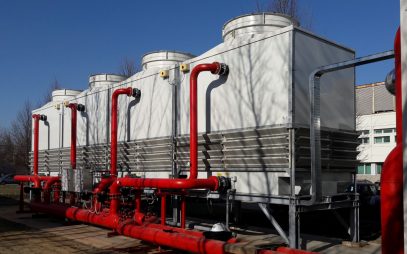 for medium to large systems
PME-E Open-Circuit Evaporative Cooling Tower
A light and non-corrodible open-circuit evaporative cooling tower: process industry and HVAC operators will be able to count on its multiple versions and ease of transport and installation.
Newsletter
Subscribe to MITA newsletter and stay updated on technical solutions for industrial and civil cooling and get to know our offer.