


Un sistema di raffreddamento adiabatico (dry cooler adiabatico per liquidi, condensatore adiabatico per gas) è un sistema che combina il principio di un dry cooler (raffreddatore a secco) con il pre-raffreddamento adiabatico dell’aria esterna.
Read all FaqAdiabatic Cooling Systems
Discover MITA Cooling Technologies' advanced adiabatic cooling systems for Italy and Europe. Achieve superior energy efficiency, significant water savings and optimal performance for industrial and HVAC applications. Our adiabatic coolers, or dry coolers with adiabatic pre-cooling, address high energy costs and environmental challenges.
Our Adiabatic Cooling Solutions
-
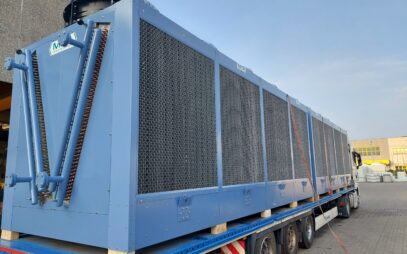 for medium and large plants
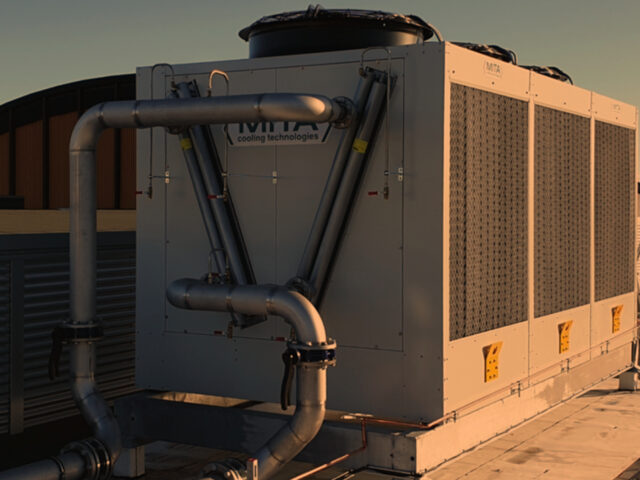
PAD-XL W Adiabatic Cooler
Ideal for those who want to use very little cooling water while eliminating its management, or as an alternative to the classic dry cooler, especially with performance in the hottest times of the year in mind.
-
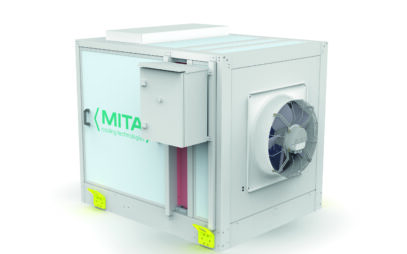 for small plants
PAD-XS Adiabatic Cooler
Resource optimization of adiabatic cooling, for low flow rates and thermal capacities (20-50 kW), a more efficient alternative than a simple dry cooler. PAD-XS has a compact design with small footprint and low noise: an excellent solution for process cooling and small HVAC systems.
Adiabatic Cooling: Frequently Asked Questions and Expert Answers
Both systems use water, but in different amounts, in different ways, and with different levels of efficiency. The direct evaporative
Read all FaqSome main advantages can be enumerated, related to reduced water use and optimized operation during different seasons and times of the day.
Read all FaqModern evaporative coolers use automatic blowdown systems controlled by conductivity sensors, partial recovery of discharge water, and optimized make-up strategies. Adiabatic systems, on the other hand—with the proper use of sensors and PLC-based parameter settings—use water only during periods of maximum thermal load, reducing overall consumption compared to traditional cooling towers (though with some loss of efficiency). The adoption of recovery circuits also allows part of the water to be reused in any cooling system that relies on this resource.
Read all FaqAdiabatic cooling systems (adiabatic dry coolers for liquids, adiabatic condensers for gases) are the optimal solution where the goal is to save water, either due to the absence of that resource or to risks associated with its management.
Read all FaqIn an evaporative system, approximately 2% of the mass to be cooled evaporates and is released back into the environment.
Read all FaqDuring the design phase, the use of selection and configuration software makes it possible to compare different solutions—chillers, cooling towers, adiabatic coolers, or dry coolers—by simulating their seasonal performance and heat loads. These digital tools also estimate energy and water consumption and help optimize system sizing.
Read all FaqAlchemist is a patented solution from MITA Cooling Technologies that combines the useful effect of subcooling with the natural and efficient operating principle of an adiabatic cooler in a single device.
Read all FaqA fan draws in a portion of air from the outside environment and then runs it through a finned coil inside which circulates the refrigerant to be subcooled.
Read all Faq1. Addressing cooling challenges in industries and HVAC/R
As a Production Manager or Technical Consultant, you are constantly under pressure. You need to ensure uninterrupted operations, reduce energy consumption, comply with increasingly stringent environmental regulations, and control operating costs. Many methods of process fluid cooling involve high water usage, soaring energy bills, and significant maintenance burdens, especially during peak thermal periods. Perhaps you find yourself managing…
- Continuously rising energy costs that impact your margins?
- Concerns about water management for cooling: availability, treatment, and disposal?
- The need for reliable cooling performance, even on the hottest days of the year?
- Pressure to adopt more sustainable and eco-friendly cooling solutions?
- Existing systems that struggle to meet your needs, leading to reduced efficiency or, worse, process downtime?
- Finding a cooling system that offers a low Total Cost of Ownership (TCO) without compromising on performance?
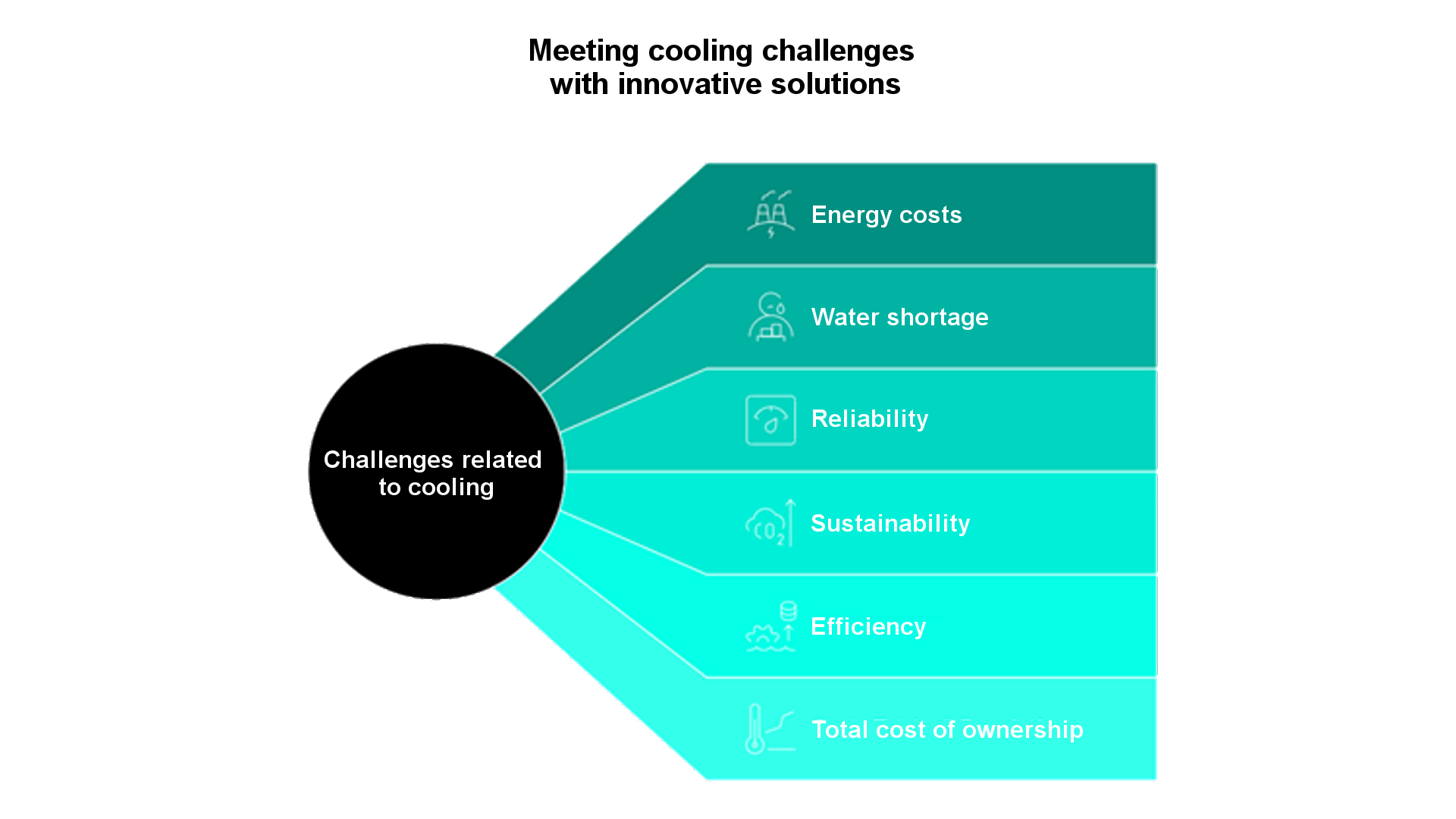
If these challenges sound familiar, MITA’s adiabatic cooling systems offer a proven, intelligent, and resource-saving alternative. We understand that you are not just looking for a piece of machinery, but a reliable cooling partner capable of understanding the specific needs of your processes, from industrial manufacturing to critical HVAC environments like data centers.
Tell us your needs2. Adiabatic dry cooler: how smart cooling works
What is an Adiabatic Cooling System? An adiabatic cooling system cools water (or refrigerant gas, in the case of adiabatic condensers) using outside air, which is pre-cooled with water (air humidification) during the hottest periods of the day and year.
- Dry Operation: Primarily intended for the winter/autumn period. Outside air is drawn in and directed towards the finned coils containing the fluid to be cooled. The humidification process is deactivated, so there is no water involved, the humidifying pack (the section the air passes through to lower its temperature) is dry, and the humidification pump circuit is disengaged. Temperature probes, at the outlet of the cooled fluid and inside the machine, modulate the fan(s) speed to optimize energy use.
- Adiabatic Operation: Primarily intended for the summer/spring period. Outside air is drawn in and directed towards the finned coils containing the fluid to be cooled after passing through the humidifying pack (the adiabatic section) to lower its temperature. The pack is sprayed by short wetting cycles activated by a pump. Mains water is pre-loaded to activate the adiabatic cooling process. The adiabatically cooled air (therefore at a lower temperature than the outside air) is directed towards the finned coils, thus increasing the cooler’s efficiency during the hottest time of the year.
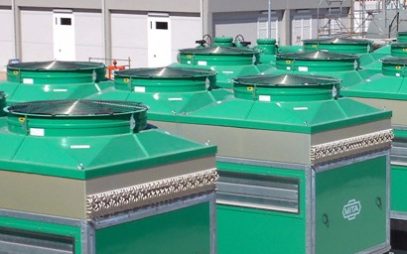
Adiabatic Cooling System: How it Works, Examples & Solutions
Read the article and find out moreDifferent names, same principle. You will find this technology referred to as:
- adiabatic air cooler,
- adiabatic dry cooler or air-cooled adiabatic dry cooler,
- adiabatic cooler or industrial adiabatic cooler,
- adiabatic fluid cooler,
- hybrid adiabatic cooling system,
- adiabatic tower or adiabatic cooling tower (in these cases too, the terms are improper).
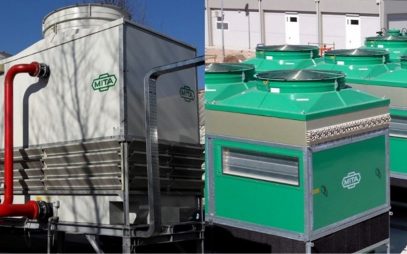
Comparison between Cooling Tower and Adiabatic Cooler
Read the article and find out more3. MITA Adiabatic Cooling Systems: cooling liquids or condensing gases
For processes that require efficient cooling of water or other process fluids, MITA adiabatic systems represent a more resource-optimized alternative to traditional dry coolers, primarily thanks to their exceptionally low water usage. Designed to offer superior performance even during the hottest times of the year, these systems intelligently activate their adiabatic pre-cooling only when strictly necessary, also eliminating the need for complex water treatments.
For the heat dissipation of even large-scale systems, PAD-XL W offers thermal capacities of up to 2,500 kW and can be configured with up to 20 fans over a length of 11.6 meters. This system is Plug & Play, ensuring ease of handling and rapid installation. It uses short, on-demand wetting cycles and an integrated system for recovering the wetting water; furthermore, it employs simple mains water that may not require treatment. The operating logic is governed by a PLC that optimizes the EC fans. The efficient design of the V-coil and the humidifying pack ensures high performance and simple maintenance. An ideal cooler for those seeking minimal water use and simplified management.
For small-scale systems, with contained thermal capacities (20 kW to 50 kW), optimized cooling has an ally in PAD-XS: its compact, low-footprint design makes it suitable for limited spaces. Here too, operation is automated with EC fans and regulation of the wetting cycles. It directly uses mains water without the need for specific treatments, with minimal and seasonal usage. PAD-XS is easily integrable into existing systems and, like all MITA industrial coolers, can be designed and configured to support remote control, monitoring, and data collection.
Both models guarantee minimal water usage and optimized energy use thanks to the advanced logic of the control panel. They also require a smaller installation footprint compared to 100% air-cooled solutions. They are regenerable products and contribute to reducing the carbon footprint.
Ask for InformationOur range of adiabatic coolers
- for medium and large plants
PAD-XL W Adiabatic Cooler
Ideal for those who want to use very little cooling water while eliminating its management, or as an alternative to the classic dry cooler, especially with performance in the hottest times of the year in mind.
- for small plants
PAD-XS Adiabatic Cooler
Resource optimization of adiabatic cooling, for low flow rates and thermal capacities (20-50 kW), a more efficient alternative than a simple dry cooler. PAD-XS has a compact design with small footprint and low noise: an excellent solution for process cooling and small HVAC systems.
4. MITA Adiabatic Coolers: key specifications and components on all equipment
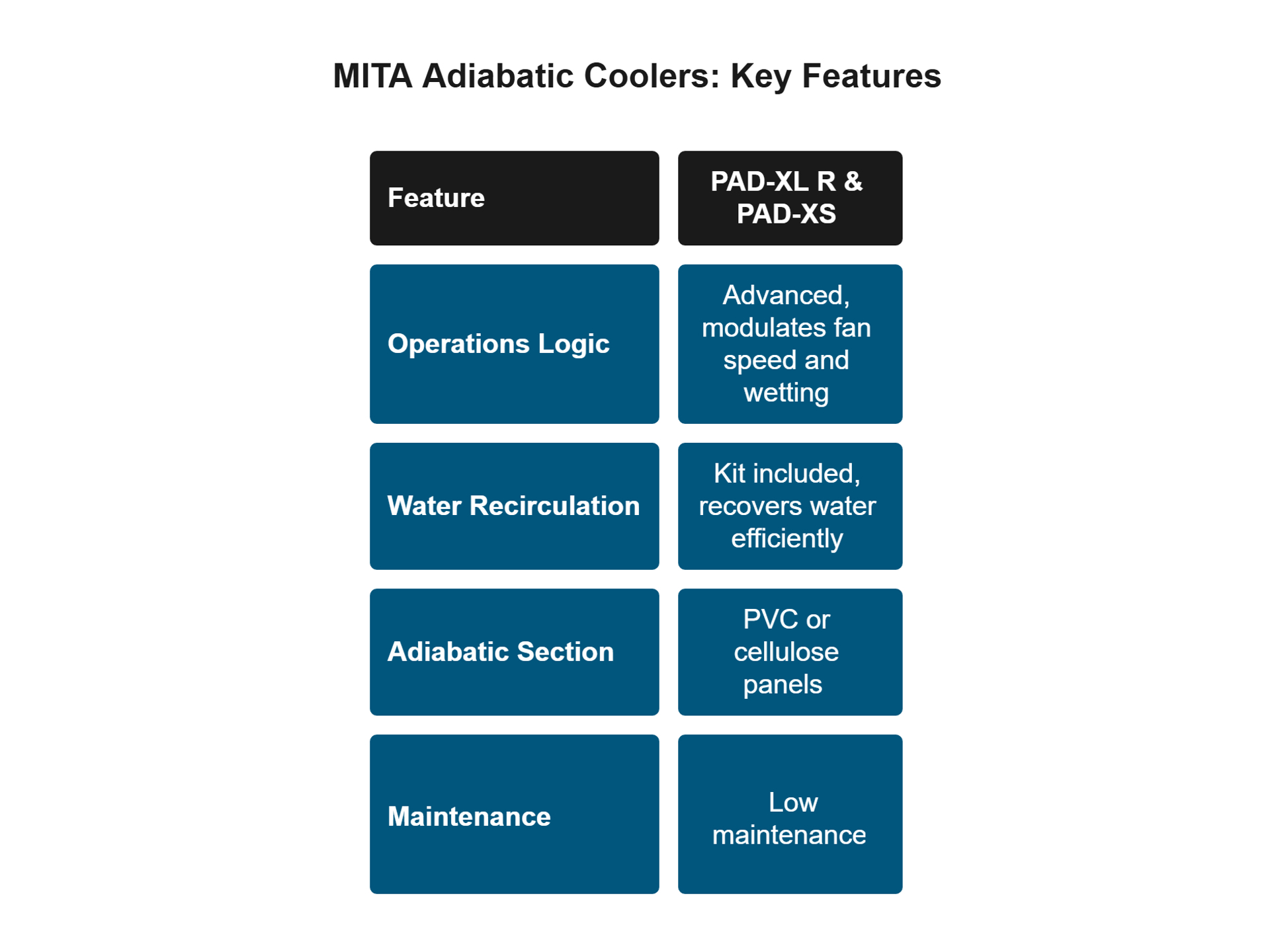
These are the specifications that clients in the industrial and HVAC/R sectors will find in every MITA adiabatic cooler from the PAD-XL and PAD-XS ranges.
Advanced operating logic. Along with various sensors and a specific controller, it modulates the fan speed and the very short wetting cycles of the adiabatic section (about 15 seconds every 15 minutes during the hottest periods), avoiding the constant “waterfall” required by other solutions.
Water recirculation kit. Useful for recovering every drop needed for humidifying the adiabatic section. Short wetting cycles to humidify the adiabatic section, only when necessary. Integrated wetting water recovery kit and logic.
Adiabatic section. Two types of adiabatic panels: flocked PVC or the more common cellulose pack. We will evaluate together the best solution for your context. Short wetting cycles to humidify the adiabatic section, only when necessary.
The result is a guarantee of optimized energy efficiency and significant water savings, drastically reducing operating costs thanks to intelligent PLC controls. These systems also offer simple and reduced maintenance. No water treatment is required.
5. Applications and case studies: is Industrial Adiabatic Cooling right for you?
The adiabatic cooling systems from MITA Cooling Technologies — such as the PAD-XL and PAD-XS models — are designed to optimize industrial processes with a keen eye on efficiency and water conservation. A particularly suitable choice for those seeking high-performance solutions even in the hottest months of the year.
Adiabatic coolers are therefore used in numerous production and technological contexts, ensuring efficiency, reliability, and adaptability.
Industrial processes: precise temperature maintenance without hygienic compromises in the food industry; thermal support in complex metal treatments (such as casting and rolling); cooling of molds and oils for plastic and rubber; compatibility with variable mains water (useful for compressors and test benches) in the mechanical industry.
Data centers: high energy efficiency and low power consumption (PUE) for reliable cooling.
HVAC and comfort: improves the performance of air conditioning systems.
Power generation: for example, for cooling auxiliary systems in thermoelectric plants.
Industrial refrigeration systems: adiabatic condensers ideal for the cold chain and the use of natural refrigerants.
With over 35,000 coolers installed since 1960, MITA Cooling Technologies combines experience and technical vision, proposing a consultative approach to always offer the most suitable solution for the client’s specific needs.
Do you need info?
Contact our Sales Partners in the United Kingdom, Europen Union or Americas.
Ask for InformationMITA case studies with adiabatic dry coolers
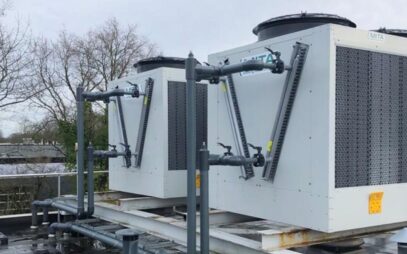
Cooler Replacement for a Manufacturer of Porcelain Products in the Netherlands
Significant water savings and a wide range of available solutions-these two factors were key for a Dutch manufacturing company replacing its cooling systems. Two adiabatic dry coolers from MITA Cooling Technologies.
Learn More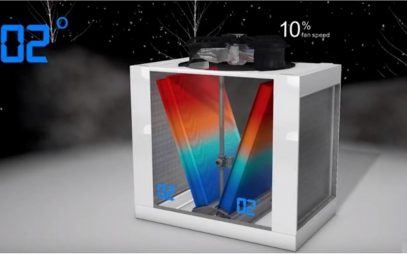
Cooling Efficiency for a Food Company in Poland
MITA Cooling Technologies scores, together with the agency EETS, a new achievement for the food industry: a poultry products company chose the PAD-V adiabatic cooler for a section of its production processes.
Learn More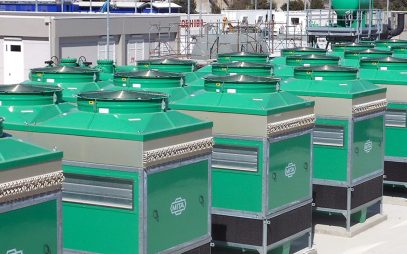
PAD Adiabatic Coolers for Ansaldo Energia (Utilities)
One of the most advanced poles for the study of power grids in Europe, in Sardinia, also bears the signature of MITA Cooling Technologies: this is thanks to 13 adiabatic coolers supplied to Ansaldo, among the main implementers of the work.
Learn MoreApplications for MITA adiabatic cooling systems
-
Mechanical Industry
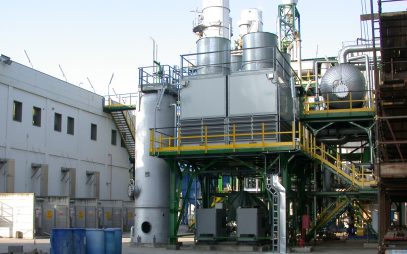
The mechanical industry includes the most diverse sectors, in addition to metal and plastic processing: compressors and test benches are significant examples. Required temperature differences and water quality vary greatly depending on the industry: evaporative cooling towers can be used, preferably open-circuit ones (with exchange packs for dirty or clean water depending on the context) and adiabatic coolers for consumption optimize.
-
Hospitals and Healthcare
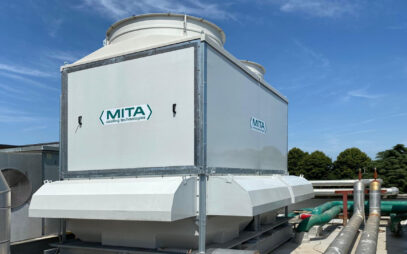
In the healthcare sector, industrial cooling is critical to ensure the proper operation of critical facilities such as HVAC systems and medical equipment. MITA Cooling Technologies offers quiet, low-maintenance solutions, such as cooling towers and dry coolers, designed for hospitals and clinics. The goal? Reliable performance, reduced operating costs and acoustic comfort.
-

Datacenter
7. The MITA Advantage: beyond Adiabatic Dry Coolers
Choosing MITA Cooling Technologies means relying on a true cooling consultant, not just a manufacturer. We offer:
Personalized consultation: analysis of your needs and objectives in the Italian market and worldwide.
Custom selection with advanced configuration software: precise models for optimal configurations based on the specifications of the individual project and the installation area.
Focus on water and energy savings: direct savings thanks to software-based selection and technologies designed for resource optimization by default.
Total Cost of Ownership approach: advanced software selection includes a long-term projection of the savings enabled by different solutions.
Complete support: from design to after-sales service.
Italian engineering, global expertise: Italian quality and knowledge of international needs, with the supply of 35,000 systems worldwide over 65 years.
We provide not just a product, but a complete cooling solution that makes a difference.
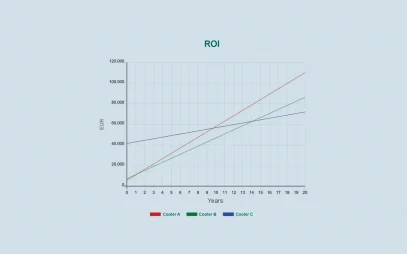
Resource and Efficiency Optimization of Cooling Systems: How to Assess It
Read the article and find out more8. Let's talk about Your Adiabatic Cooling needs
Ready to discover how MITA’s adiabatic systems can transform the efficiency and sustainability of your facility in Italy or around the world?
Our team of experts is available to:
answer questions about adiabatic technology,
discuss your application and your challenges,
provide a preliminary assessment and an optimized solution,
show you the potential energy and water savings.
Contact us today for a no-obligation consultation!
We are committed to finding the perfect cooling solution for your business. Let MITA Cooling Technologies be your partner for efficient, reliable, and sustainable cooling.
Do you need info?
Contact our Sales Partners in the United Kingdom, Europen Union or Americas.
Ask for informationEnvironmental and economic sustainability of the Adiabatic Dry Cooler
Minimal water usage (only for adiabatic operation), useful for facilitating heat exchange (i.e., cooling the process fluid).
Optimized energy usage (greater efficiency thanks to the adiabatic contribution).
Smaller installation footprint compared to the 100% air-cooled solution.
Falls into the product categories that MITA is able to regenerate.
Indication of the “carbon footprint” by the MITA team.
Tools to help you choose
Cooling Advisors
Preliminary plant evaluation
Tailor-made design
Newsletter
Subscribe to MITA newsletter and stay updated on technical solutions for industrial and civil cooling and get to know our offer.